How to create a more ethical and sustainable relationship with fashion
- cait_eckley
- Aug 18, 2022
- 2 min read
If you're currently addicted to buying new clothes, we're here to help.
The rates at which unethical fashion is being produced and consumed is a huge issue to tackle, but small changes to your current shopping habits (such as resisting that monthly £50 shopping spree at Pretty Little Thing) can be easily incorporated into your everyday life.
Having a sustainable wardrobe is not just about buying less, it’s about buying better. Whether you choose to rent clothes instead of buying new, or opt to shop at charity shops instead of online, every choice and action you take towards having a more environmentally friendly wardrobe is a step in the right direction.
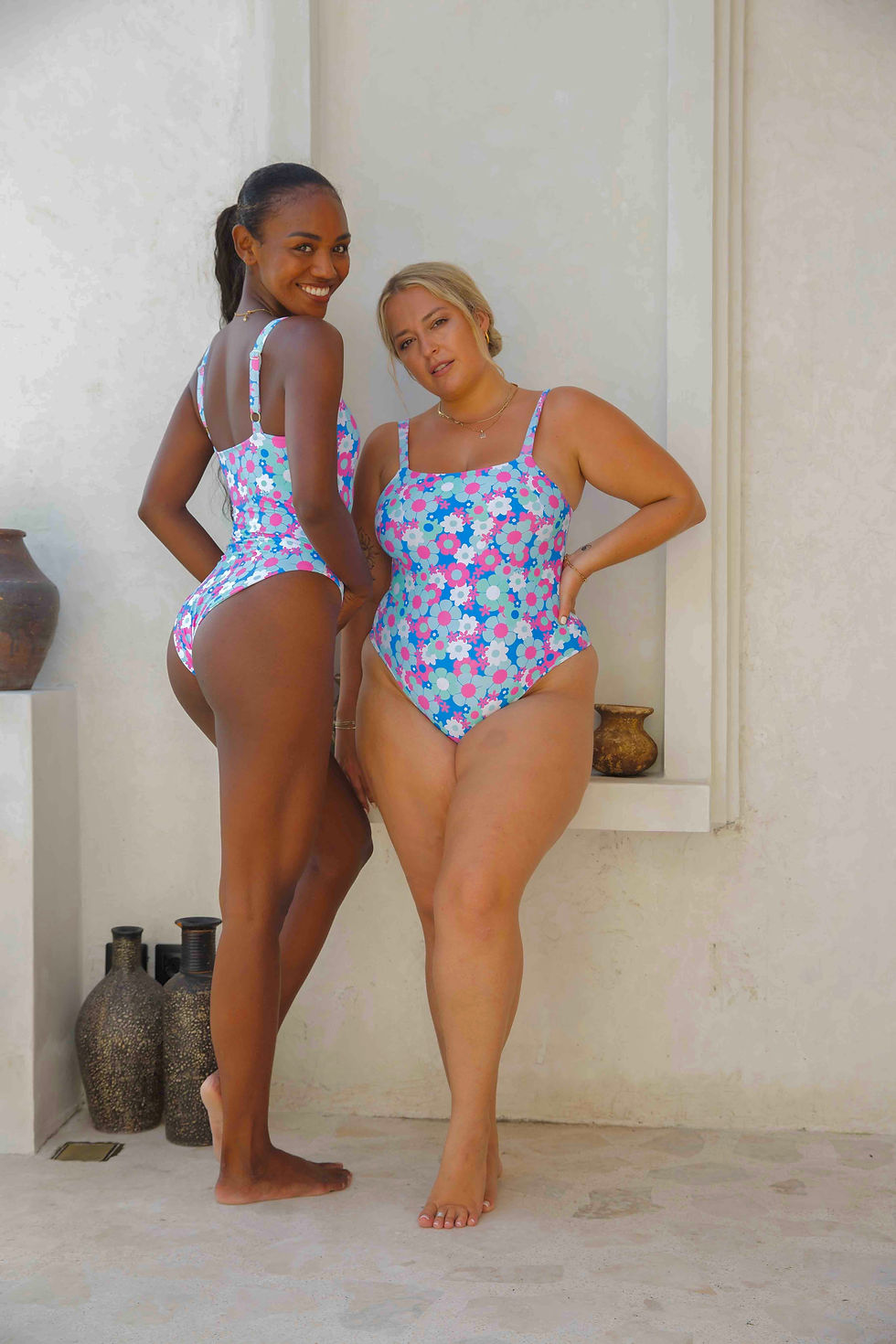
Celia Harper is the Founder and CEO of Junk LDN, a sustainable swimwear brand. Her swimsuits are made from recycled bottles and fishing nets.
When speaking about the most damaging effects of fast fashion, she says: “I think the sheer volume at which they operate is probably the biggest problem.
“All of those clothes are coming from plastic, and when they’re not sold, they’re all going to landfill and it keeps getting worse. If it was all done in moderation, it wouldn’t be as bad as it is now.”
She believes influencers have the biggest impact on our shopping habits and works with a mix of them to promote her brand: “They have so much more power than they think they do to make changes.

“Social media is a massive echo chamber. Your algorithm is serving what you’re interested in and so to make real differences, I think it’s important that I work with people who have audiences that mainly shop fast fashion. When their followers see them promote sustainable fashion, they think it’s interesting and want to try it too.”
An alternative to buying new, is renovating clothes you already own. Kate McGuire, ‘refashion designer’ and sustainable fashion activist, created the online platform 'Converted Closet' to communicate the joy and importance of converting clothes.
She says: “I’ve always converted my clothes because I couldn’t find anything I wanted and I didn’t have a massive budget.
“We are in a desperate situation in our environment and it's getting worse every day. People need to wear things more than once, buy less and change their mindsets.”
“My overarching aim is to make conversion cooler than Balenciaga. I want to show people, not tell them, what is possible with clothes that are already in existence.”
Maeve Galvin from Fashion Revolution agrees and says the most sustainable thing you have is already in your wardrobe.


Comments